
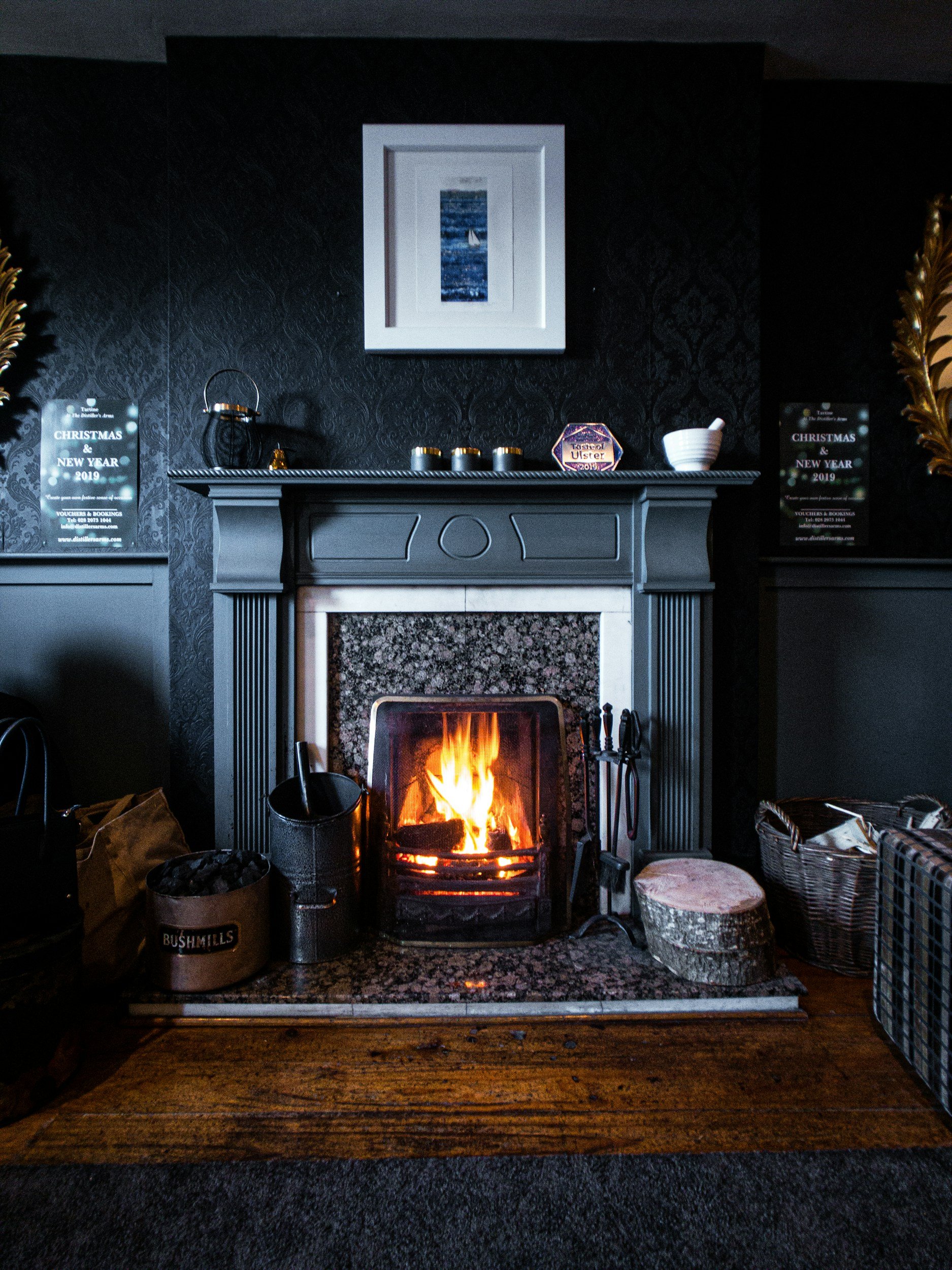
Every fireplace is built a little differently, and identifying the type you have is the first step toward finding the right upgrade, repair, or replacement. Read through the descriptions adjacent and compare them to your existing fireplace. If you're still unsure, don't worry—we're happy to help identify your fireplace during an inspection and recommend the best options for your home.
Identify Your Fireplace in Minutes
Masonry
-
Gas log
-
Prefab
-
Gas Insert
-
Masonry - Gas log - Prefab - Gas Insert -
-
When most people picture a fireplace, they're thinking of a traditional masonry fireplace. Commonly found in homes built before the 1960s, these fireplaces are constructed entirely of brick or stone from the firebox to the top of the chimney. They feature a large open firebox, a full masonry chimney, and typically a rectangular damper above the firebox. Many also have a small metal cleanout door in the basement directly beneath the fireplace—a classic sign of a true masonry system.
Built to burn wood, masonry fireplaces also offer incredible flexibility. They can be upgraded with gas log sets, decorative fireplace doors, or high-efficiency gas and wood-burning inserts, giving you the freedom to preserve their timeless charm while improving performance and heating efficiency. If you have a masonry fireplace, you have a fireplace built to last—and one with endless possibilities for modernization.
-
Heatilator fireplaces are built on a traditional masonry fireplace foundation but feature a steel firebox surrounded by masonry. Designed to improve heat circulation, they use a series of steel tubes that draw cool air in through lower vents, warm it as it passes around the firebox, and release it back into the room through upper grilles. Some models also include a blower fan to help move warm air more efficiently.
While this innovative design was a major advancement for its time, Heatilator fireplaces still don't deliver the heating performance of today's high-efficiency fireplace systems. They can burn wood and often be upgraded, but converting them to a modern high-efficiency insert can be more complex than with a standard masonry fireplace. A professional inspection is the best way to determine the upgrade options available for your specific fireplace.
-
Factory-built, or prefabricated (prefab), fireplaces became increasingly popular in the late 1970s and continue to be installed in homes today. Unlike traditional masonry fireplaces, these systems feature a manufactured steel firebox and insulated metal chimney designed for efficient installation during home construction. Many models include bi-fold glass doors, a round 6–8" damper, and are vented through a chimney chase often finished with wood or vinyl siding. Unlike masonry fireplaces, prefab units do not have an ash cleanout in the basement.
While these fireplaces are designed primarily for ambiance, many older models can be upgraded to provide significantly better heating performance. A properly selected gas insert or other approved high-efficiency upgrade can dramatically increase heat output while maintaining the beauty and convenience of your existing fireplace. The best upgrade options depend on your fireplace's make and model, making a professional inspection the first step toward transforming your fireplace into a reliable source of warmth.
-
Gas log sets are an affordable way to enjoy the look and convenience of a real fire without the work of burning wood. They create beautiful, realistic flames at the push of a button, making them a popular choice for homeowners who want the ambiance of a fireplace with minimal maintenance.
While gas logs excel at creating atmosphere, they're designed primarily for appearance rather than heating. Because they operate in an open fireplace, much of the heat they produce escapes up the chimney, making them less efficient than modern gas inserts. If your goal is to add meaningful heat to your home while lowering energy waste, a high-efficiency gas insert may be the better long-term solution.
-
Today's gas fireplaces, inserts, and stoves have come a long way in both performance and efficiency. Many modern models are up to 85% efficient and are certified as dependable home heating appliances. They deliver impressive warmth while using less gas than older systems, making them an excellent choice for everyday comfort. Many homeowners rely on them as a primary heat source, and because they continue to operate during most power outages, they provide dependable warmth when you need it most.
Whether you're upgrading an existing fireplace or adding one to a new space, there's a gas appliance designed to fit your home. They offer the beauty of a real fire with the convenience of instant operation, minimal maintenance, and outstanding heating performance—making them one of the best investments you can make for your home's comfort and value.
The right option depends on your home and your goals. Gas Fireplaces are installed where no fireplace currently exists, making them ideal for new construction, remodels, or additions. Gas Stoves are freestanding units that radiate heat from all sides and require only a hearth pad and venting system, making them a versatile heating solution. Gas Inserts are designed to fit inside an existing masonry or factory-built fireplace, using a specialized venting system and a custom surround to transform an outdated fireplace into a beautiful, high-efficiency centerpiece that looks brand new.
-
No matter what you’re burning, if it’s got legs, it’s a stove. For generations, gas and wood stoves have been one of the most trusted and effective ways to heat a home. Known for their durability, classic style, and dependable performance, these freestanding appliances continue to be a favorite among homeowners. Many models are crafted from heavy-duty cast iron and provide reliable heat even during power outages, making them as practical as they are beautiful.
Because heat radiates from all sides of the stove, these appliances are exceptionally efficient at warming a space. Their solid construction allows them to retain and release heat long after the fire or burner has been turned down, creating lasting comfort while adding timeless character to any room.